Oogie VR
BBC Earth VR Game
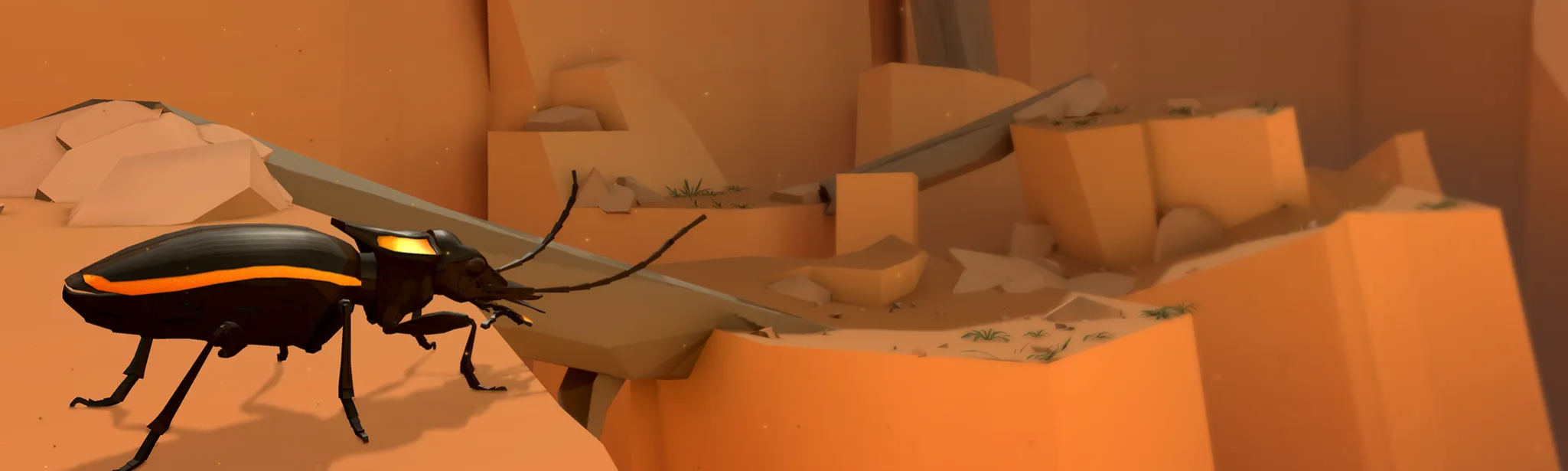
Oogie was a VR game created for BBC Earth and released on Oculus Rift and Samsung Gear VR.
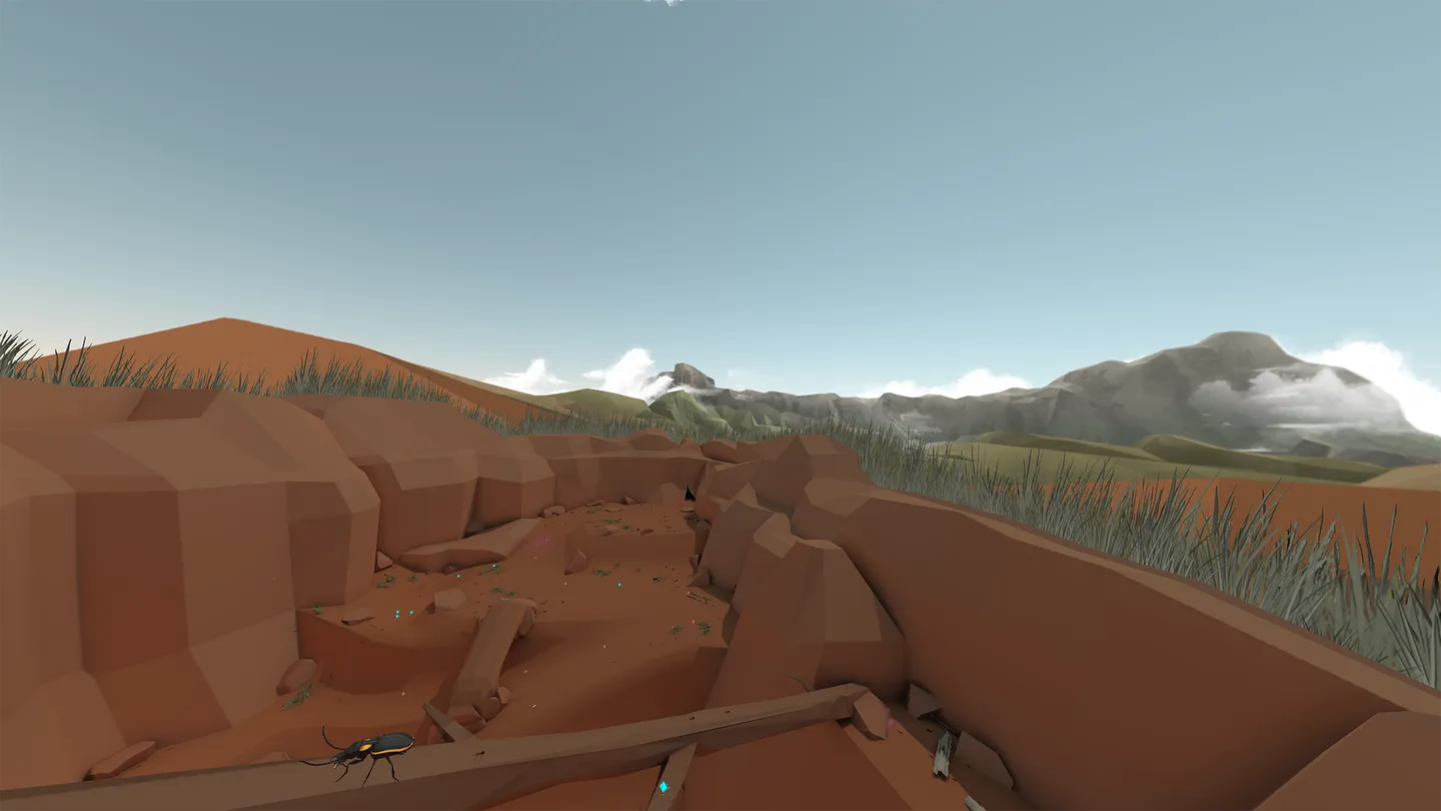
The experience put players in the role of Oogie, an Oogpister Beetle travelling through the African Savannah in search of a mate. It was a mix of natural history documentary and interactive game, with the player guiding Oogie through hazards, predators and encounters along the way.
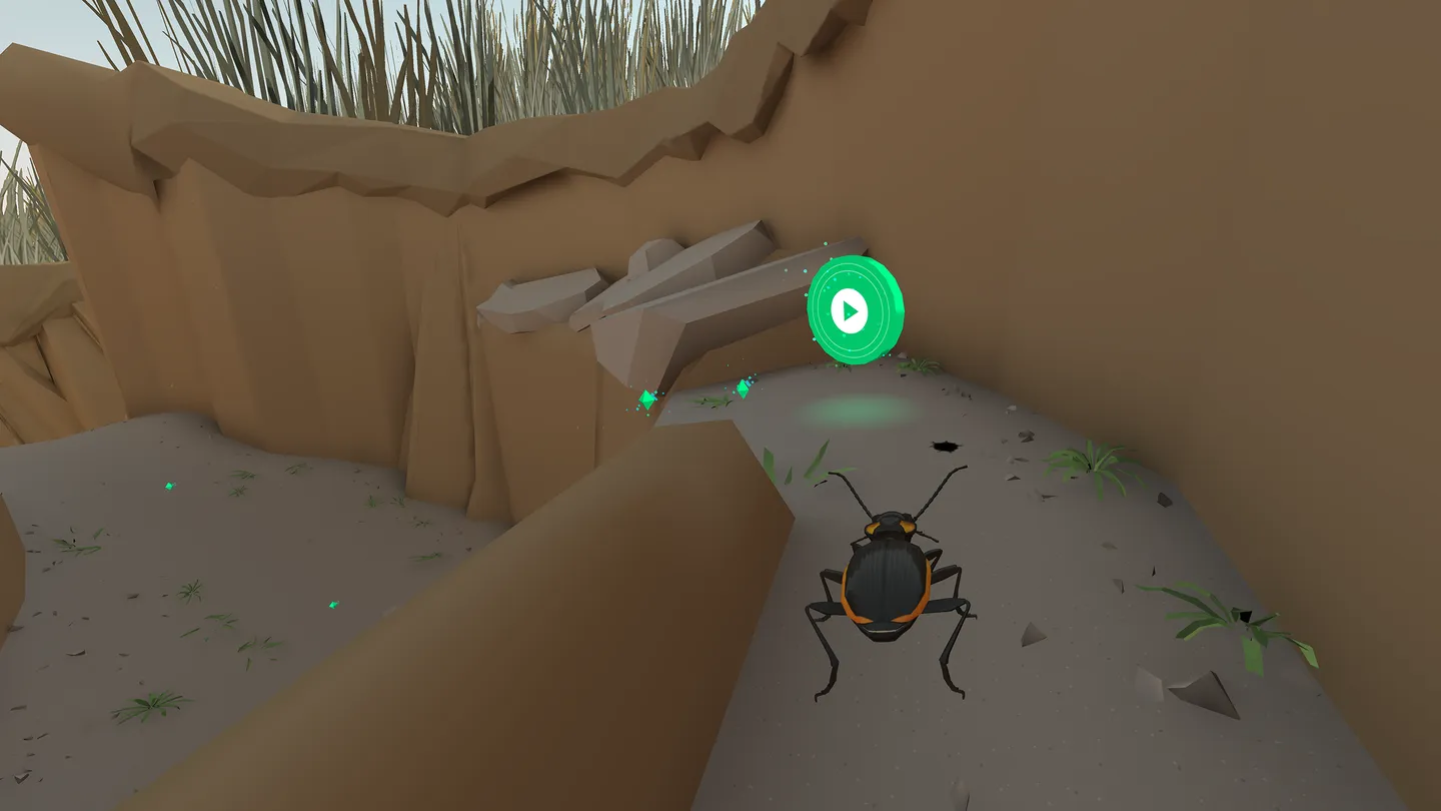
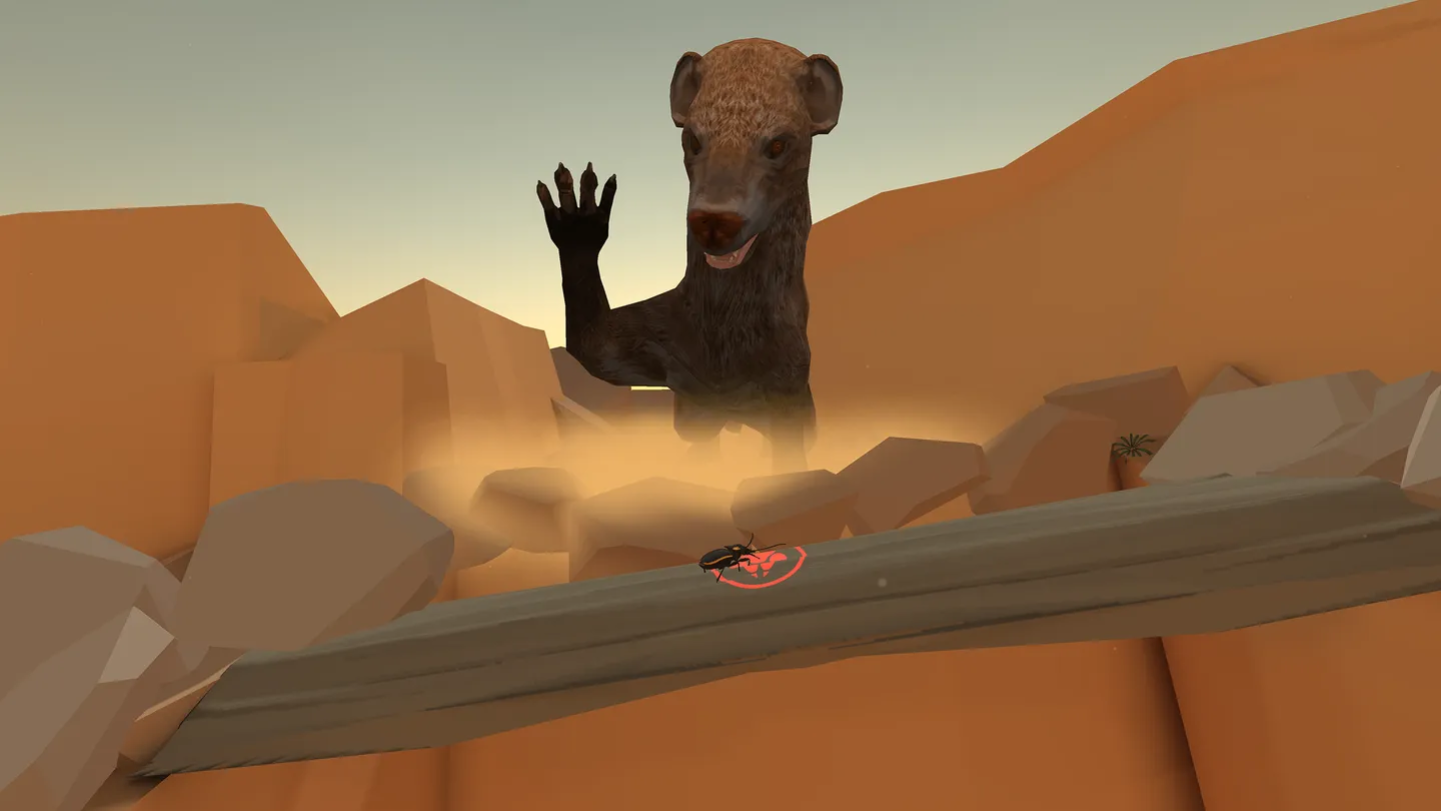
Rather than simply watching a BBC Earth story, the player became part of it. The game included exploration, scent-following, combat against ants and a boss battle, all built around the idea of experiencing the world from a beetle’s point of view.
My Role
Lead Developer
I worked as Lead Developer on the project, responsible for the core gameplay implementation and helping bring the experience to both Oculus Rift and Gear VR.
My role covered player movement, VR interaction, gameplay systems, combat encounters, performance optimisation and general technical delivery. I also mentored another developer during the project, helping them contribute to the codebase and work through some of the technical challenges of building for VR.
Technical Challenges
The biggest challenge was performance, especially on the Gear VR version.
This was early mobile VR hardware, so we had to be very careful about what we asked the device to do. The experience needed to feel alive and cinematic, but the available performance budget was extremely limited. Dropped frames in VR are much more serious than in a normal game, so optimisation was a constant part of development rather than something left until the end.
The other major challenge was controls. Gear VR had very limited input compared with modern VR headsets, so the game had to feel playable without relying on complex buttons, tracked hands or traditional controller-heavy interactions.
I worked on making the core interactions simple, readable and comfortable. Movement, combat and progression all needed to be easy to understand, while still giving the player enough agency to feel like they were actively helping Oogie survive.
The project also needed to balance two slightly different goals: it had to work as a game, but it also had to feel like a BBC Earth experience. The gameplay could not get in the way of the natural history story. It had to support it.
Key Contributions
Led development of the core VR gameplay experience.
Built the main Unity gameplay systems.
Implemented player movement and interaction for a beetle-scale VR perspective.
Developed combat encounters, including ant enemies and a boss battle.
Helped design gameplay around very limited Gear VR controls.
Optimised the experience for Oculus Rift and Samsung Gear VR.
Worked on performance improvements for early mobile VR hardware.
Helped balance gameplay, comfort and documentary storytelling.
Mentored another developer during production.
Worked closely with the wider creative team to turn the BBC Earth concept into a playable experience.
Technologies
Unity, C#, Oculus Rift, Samsung Gear VR, mobile VR optimisation, VR interaction design, gameplay systems, AI encounters, performance profiling, technical mentoring.
Outcome
Oogie was released as part of BBC Earth’s early move into virtual reality, giving players a more interactive way to experience a natural history story.
For me, the project was a strong example of turning an unusual creative brief into a playable VR experience. It combined gameplay programming, VR design, optimisation, mentoring and technical problem-solving, all within the constraints of early consumer VR hardware.